

During a virtual session on Disaster Preparedness and Management for ICMR Medical Professionals held on April 14th, 2025, the Honourable Chairman of NCEAN addressed the subject of “Elderly Care During Disaster Management.” The NCEAN Chairman began by outlining the fundamental purpose of disaster management, stating that its goal was not to prevent disasters—since they often involve uncontrollable natural or man-made forces—but to reduce their impact. It was emphasized that disasters require external intervention for effective recovery. The Disaster Management Act of 2005, explaining that it was designed to provide a legal framework for such efforts. The National Disaster Management Authority(NDMA), plays a key role in framing policy, issuing guidelines, and promoting best practices. While some disasters allow time for preparation, others, like the Bhopal Gas Tragedy, strike without warning—making mitigation of impact the most viable option.
People and Priorities
Disaster management is, at its core, about managing people and their vulnerabilities. In such situations, preserving human life must take precedence over everything else. Ensuring coordination and maintaining order were identified as critical tasks.
In the face of disaster, local communities and neighbours often become the first line of response. The support and cooperation of nearby individuals, along with inter-departmental collaboration, are essential for effective management. Each department contributes unique resources and strengths, all of which need to be mobilized collectively.
Elderly at Risk
Special attention was drawn to vulnerable populations—Children, Women, Persons with Disabilities, and the Elderly—with the speaker underscoring that each group has unique needs in a disaster scenario. The elderly, it was noted, often have mobility challenges and may be unable to respond quickly even if they are mentally alert to danger. For this reason, trained support personnel to assist older adults during emergencies becomes essential. Their reliance on others during such times was identified as a key area needing focused intervention.
Customized Emergency Plans
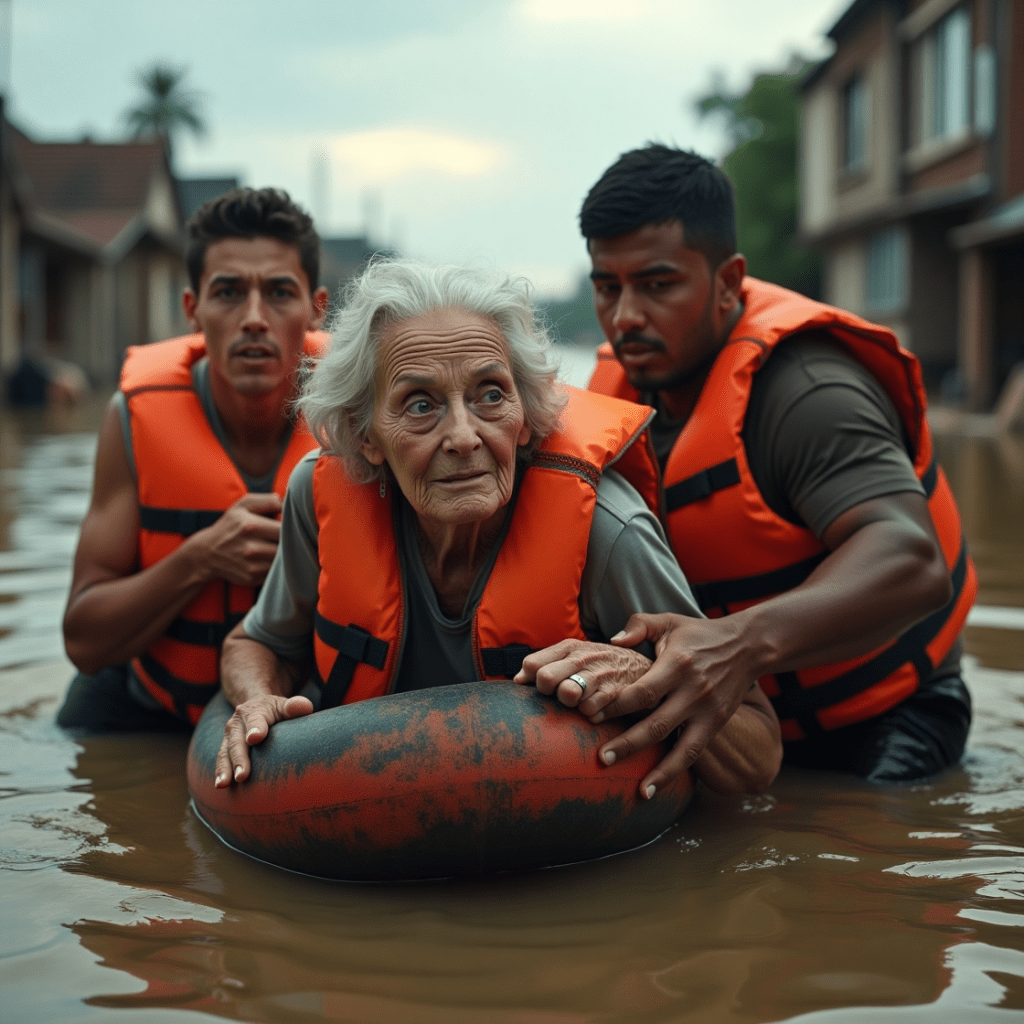
Personalized emergency plans were critical for elderly care during disasters. Since each older adult may have individual requirements—including access to specific medications, mobility aids, or emotional reassurance—there could be no one-size-fits-all response. The need to first identify elderly individuals in any affected area was stressed. Following that, a structured plan must be created to reach out and rescue them safely. An example was shared of an elderly couple stranded during the urban floods in Suryapet, who were not ill but could not leave their home without help. This example illustrated the urgent need for community awareness and department-wide training.
The support equipment like wheelchairs, stretchers, and mobility tools should be readily available and staff trained to use them effectively. Creating elder-friendly spaces and having specialized caregivers was recommended. Finally, the role of the medical fraternity was highlighted as pivotal, since doctors are the ones who determine the type and extent of treatment needed during such crises.